September 8, 2026
Regular parking lot maintenance is an often overlooked but important aspect of property management that can provide meaningful financial benefits. By addressing minor deterioration before it develops into major damage, property owners can reduce repair expenses and extend the useful life of paved surfaces. Neglected lots may deteriorate more rapidly as cracks, standing water, potholes, and surface wear become progressively worse. These conditions can also create safety concerns for drivers and pedestrians. A planned approach to inspections, repairs, drainage, sealcoating, landscaping, and sustainable improvements can help control long-term costs while maintaining a functional and welcoming property.
1. Regular Inspections and Early Detection
Routine inspections provide property managers with an opportunity to identify pavement problems while they are still relatively small. Evaluations may be performed monthly, quarterly, seasonally, or annually depending on traffic levels, pavement age, climate, and previous repair history. Inspectors should look for cracks, depressions, loose pavement, fading markings, drainage problems, damaged curbs, and other signs of deterioration. Maintaining written or photographic records also makes it easier to compare conditions over time and determine whether certain problems are progressing.
Early detection is one of the primary financial advantages of consistent parking lot maintenance. A narrow crack may require a relatively straightforward repair, while the same crack can allow moisture to penetrate the pavement base if ignored. Repeated vehicle traffic and changing temperatures can then expand the damaged area. Creating a standardized inspection checklist helps property managers evaluate pavement, drainage structures, lighting, signs, curbs, landscaping, and pedestrian areas consistently rather than relying on casual observation.
2. Sealcoating and Surface Protection
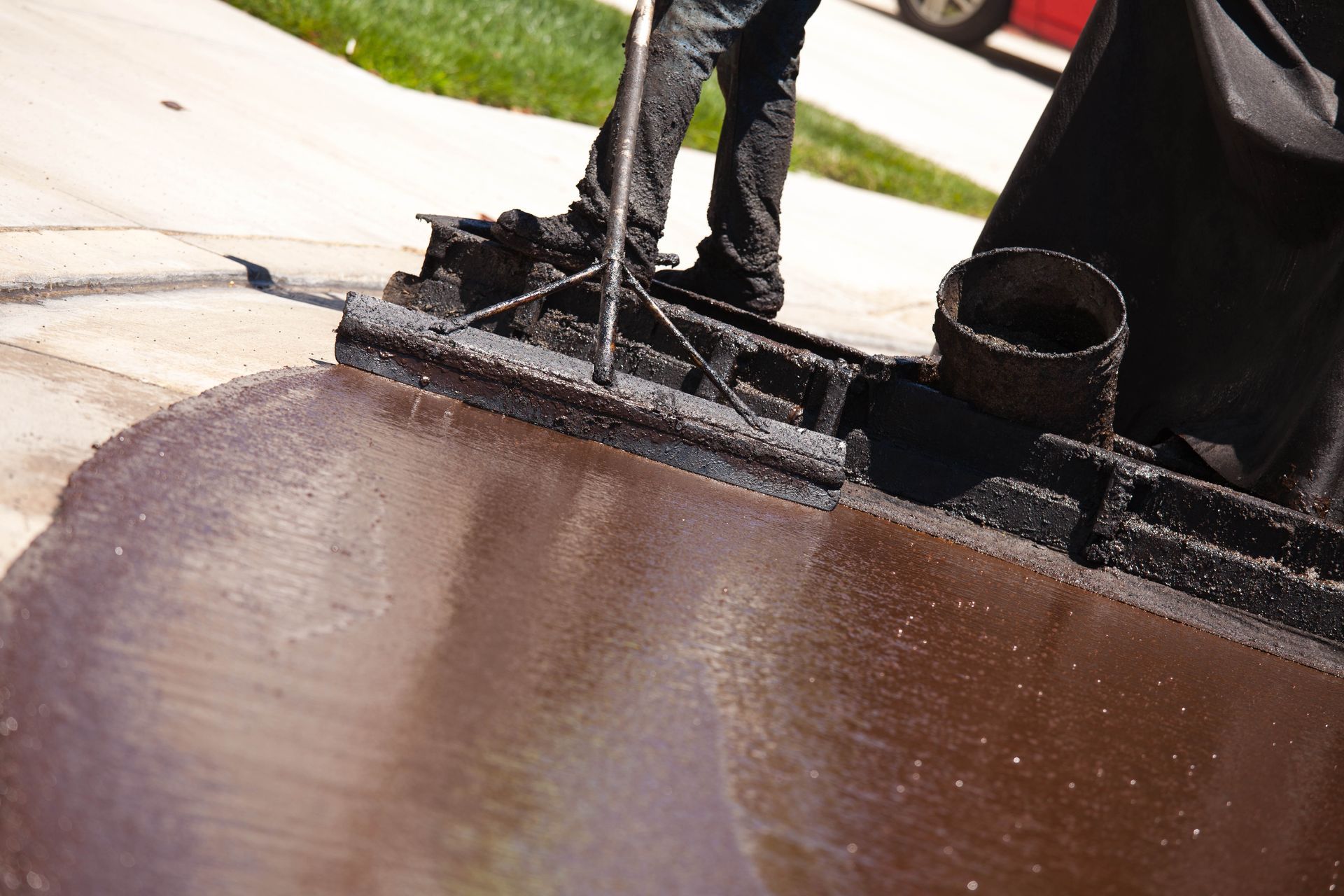
Sealcoating can provide an additional layer of protection against weather exposure, oxidation, vehicle fluids, and normal traffic. Before applying a coating, the pavement should be inspected, cleaned, and repaired so that cracks and damaged areas are not simply covered. Material selection should account for the existing pavement, local environmental conditions, traffic volume, applicable regulations, and manufacturer recommendations. Property owners should also consider expected service life when comparing products rather than selecting a material based solely on its initial price.
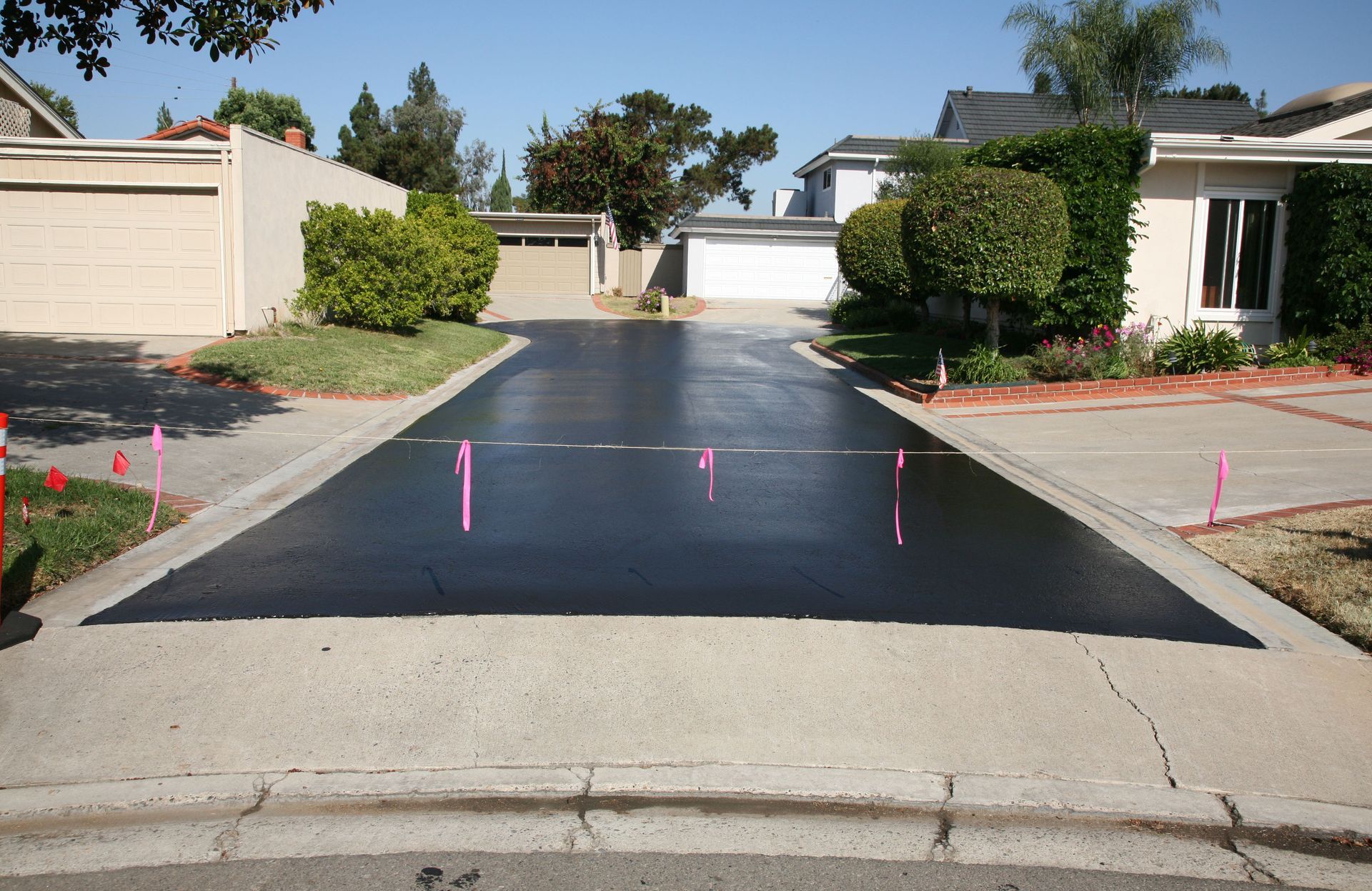
Timing is equally important. New asphalt generally needs time to cure before a coating is applied, and future applications should be scheduled according to pavement conditions and product recommendations. Applying coatings unnecessarily can increase expenses without providing proportional benefits, while waiting too long may leave asphalt exposed to avoidable deterioration. Effective parking lot maintenance therefore treats sealcoating as one component of a larger pavement preservation strategy rather than an isolated cosmetic service.
3. Crack Sealing and Pothole Prevention
Cracks are common as asphalt ages, but allowing them to remain open can accelerate deterioration. Water can enter through openings and affect underlying pavement layers. In climates with freeze-thaw cycles, trapped moisture can expand and contract, placing additional stress on the surrounding material. Traffic then contributes further pressure, potentially turning small defects into wider cracks, depressions, and potholes. Sealing appropriate cracks early can slow this progression and help preserve nearby pavement.
Potholes should also be addressed promptly because they can damage vehicles, create pedestrian hazards, and continue expanding under traffic. Temporary patching products may be useful when weather or scheduling prevents permanent repairs, but they should not automatically be treated as long-term solutions. More substantial repairs may involve removing weakened material, correcting underlying problems, and installing properly compacted asphalt. Evaluating why a pothole formed can also prevent repeated spending on the same location.
4. Drainage and Water Management
Water management is an essential part of parking lot maintenance because moisture can contribute to many forms of pavement deterioration. Standing water may indicate clogged drains, inadequate grading, damaged catch basins, or low areas in the pavement. If water repeatedly collects in the same location, surface repairs alone may not solve the underlying problem. Inspecting drainage infrastructure helps property managers determine whether cleaning, regrading, structural repairs, or additional drainage features are needed.
Routine cleaning can keep leaves, sediment, litter, and other debris from obstructing drainage systems. Seasonal inspections are particularly useful before periods of heavy rainfall or winter weather. Depending on the property, sustainable features such as permeable pavement, vegetated swales, rain gardens, or retention areas may also help manage runoff. The appropriate solution depends on site conditions, local regulations, soil characteristics, and the amount of stormwater that must be accommodated.
5. Pavement Markings and Traffic Organization
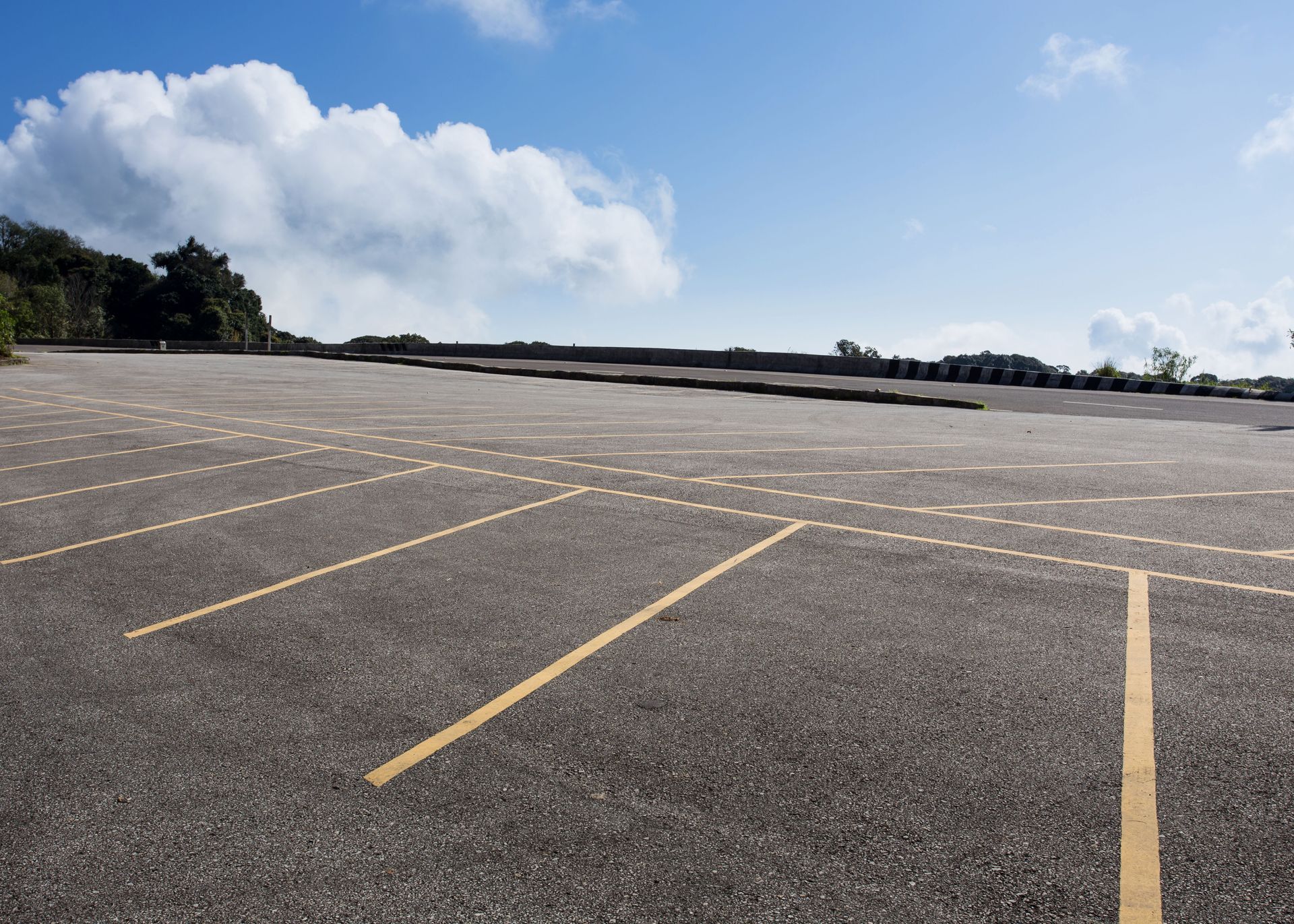
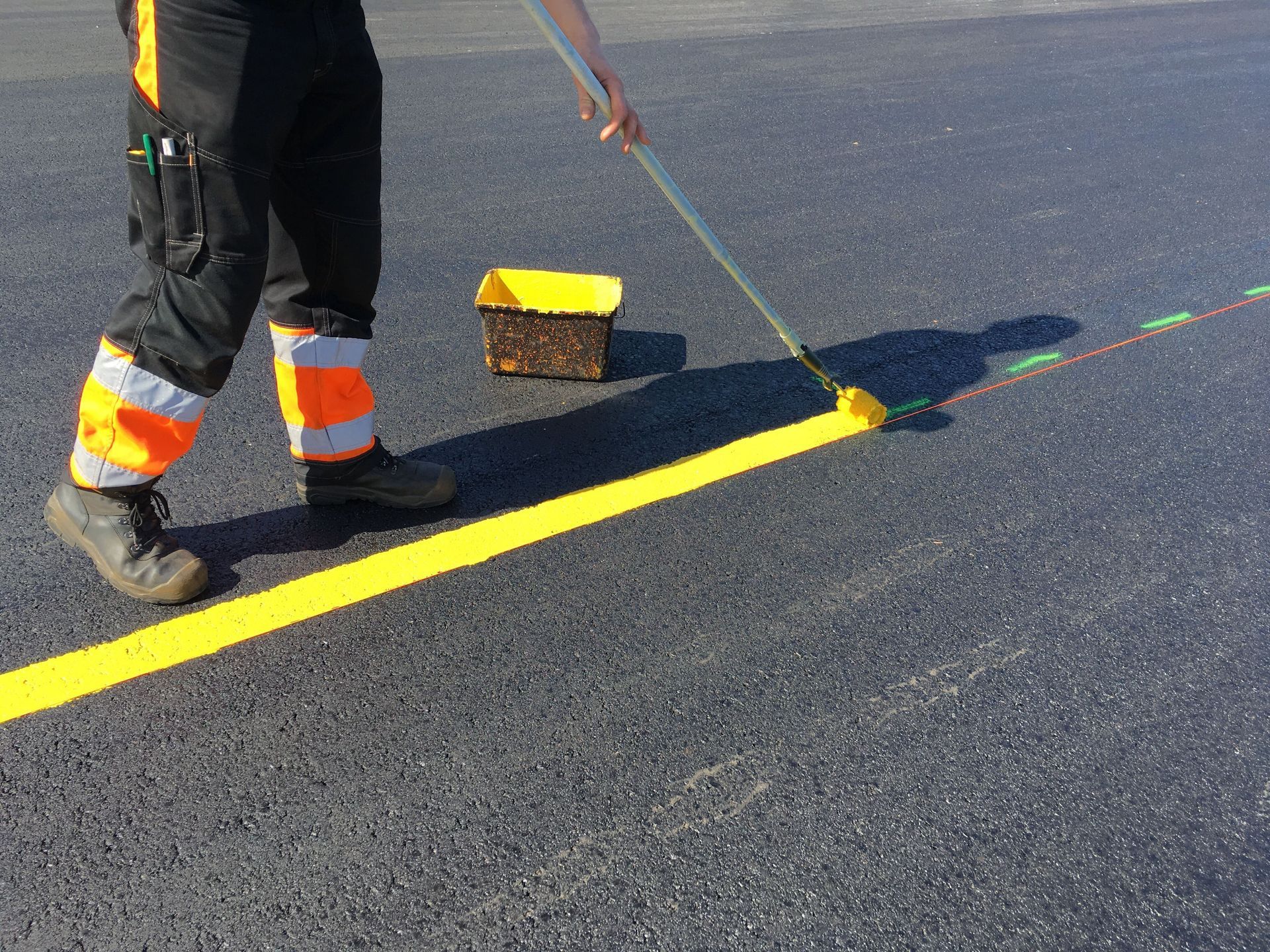
Maintaining visible pavement markings contributes to both appearance and functionality. Parking stall lines, directional arrows, fire lanes, loading zones, pedestrian crossings, and accessible spaces help users understand how to move through the property. When markings become difficult to see, drivers may park inefficiently or travel through areas in unintended ways. Periodic restriping can restore organization without requiring significant structural changes to the lot.
Traffic flow should also be reviewed when property use changes. An increase in deliveries, customer volume, rideshare activity, or pedestrian traffic may expose weaknesses in an older layout. Adjusting signs, markings, loading areas, or pedestrian routes can sometimes improve circulation at a comparatively modest cost. These improvements support broader parking lot maintenance goals by reducing confusion and helping limit unnecessary stress on heavily traveled sections.
6. Landscaping and Pavement Protection
Landscaping can improve appearance while supporting pavement preservation when vegetation is selected and positioned carefully. Trees provide shade that may reduce surface temperatures during hot weather, while planted areas can help manage runoff and create visual separation between parking sections. However, roots, falling branches, accumulated leaves, and poorly placed irrigation systems can create maintenance concerns. Plant selection should therefore account for mature root systems, water requirements, climate suitability, and proximity to pavement.
Native and drought-tolerant vegetation may reduce irrigation and routine care requirements in appropriate climates. Landscaped areas should also be designed so maintenance crews can reach them without damaging curbs or pavement edges. Regular trimming keeps vegetation from obstructing signs, lighting, sightlines, and pedestrian pathways. Coordinating landscaping with pavement planning prevents one property feature from unintentionally creating additional expenses elsewhere.
7. Sustainable Materials and Resource Efficiency
Sustainable materials can help reduce waste while supporting pavement performance. Reclaimed asphalt pavement is frequently incorporated into new asphalt mixtures rather than being discarded. According to the National Asphalt Pavement Association, more than 99% of reclaimed asphalt pavement removed from roads and parking areas is put back to productive use rather than sent to landfills. Material reuse can conserve aggregates and asphalt binder while reducing demand for newly extracted resources.
Property managers considering sustainable parking lot maintenance can also evaluate permeable surfaces, recycled materials, efficient equipment, and responsible disposal practices. Not every environmentally focused option is appropriate for every property, so decisions should consider climate, traffic loads, installation costs, expected durability, and local requirements. Comparing the complete life-cycle cost of materials can provide a more useful financial picture than evaluating installation expenses alone.
Consistent parking lot maintenance ultimately supports a broader property management strategy focused on preserving assets and controlling avoidable expenses. Regular inspections, timely repairs, effective drainage, appropriate surface treatments, visible markings, thoughtful landscaping, and efficient infrastructure can all contribute to a longer-lasting facility. By addressing deterioration methodically instead of waiting for major failures, property owners can make maintenance spending more predictable while preserving safety, usability, and the overall condition of the property. Contact our team at PAR Asphalt Maintenance and Marking today and learn more about our asphalt paving services.