July 24, 2026
Asphalt pavements represent a major investment for any property owner, serving as the primary infrastructure for vehicle parking and daily transport. Over time, these blacktop surfaces are continuously subjected to harsh environmental elements such as ultraviolet radiation, heavy vehicle loads, and chemical spills from automobiles. Without adequate protection, the binder holding the aggregate together begins to degrade, leading to widespread cracking and water penetration. To counteract these damaging factors, property owners must implement a comprehensive maintenance strategy that relies on professional sealcoating services to preserve the initial investment and ensure long-term operational safety.
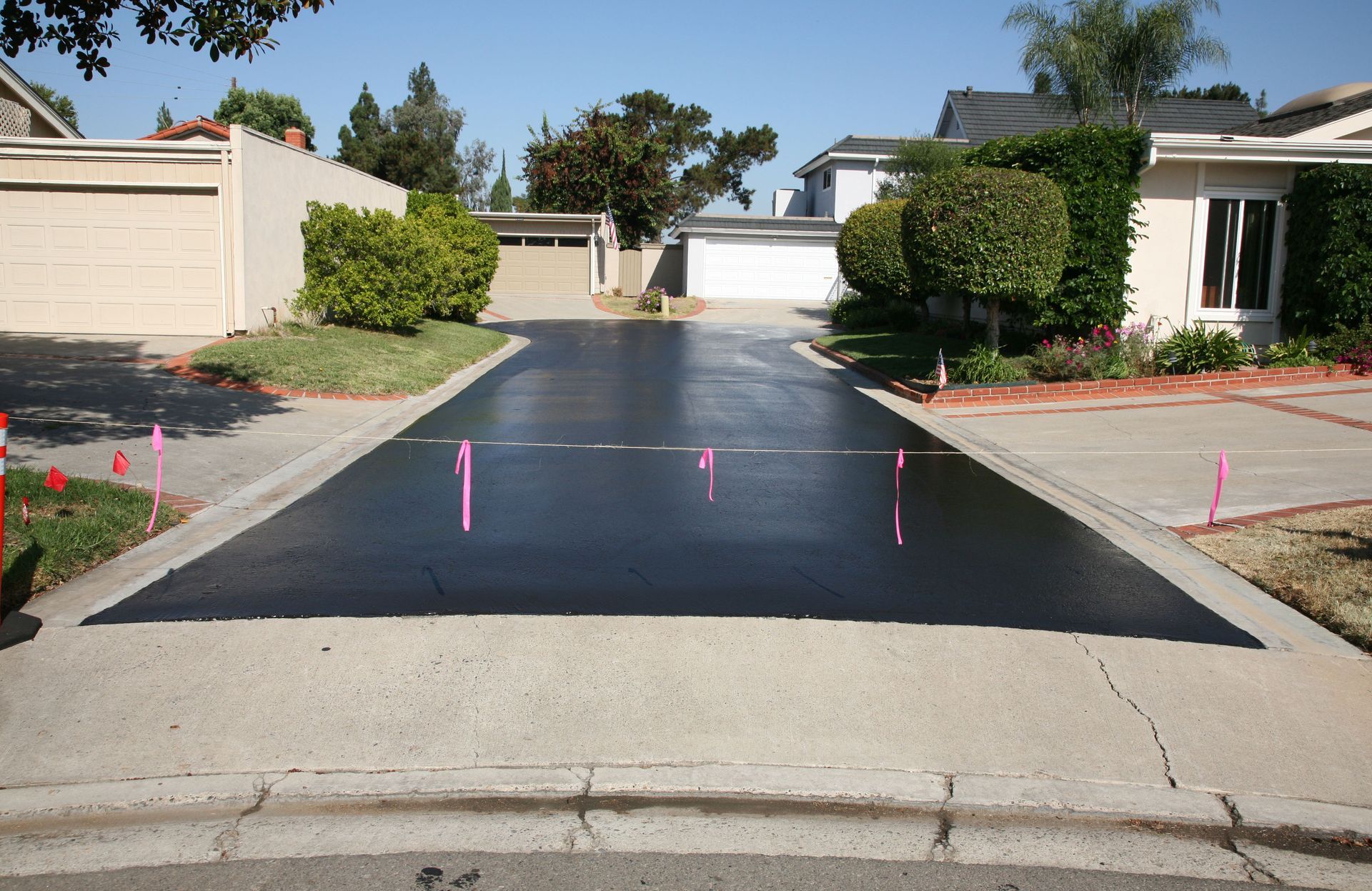
The strategic implementation of preventative maintenance not only safeguards the structural integrity of the pavement but also dramatically improves its visual appearance. A fresh, dark surface provides an immediate aesthetic upgrade, signaling meticulous property care to clients and visitors alike. Understanding the precise steps, from detailed surface preparation to material selection, enables managers to maximize infrastructure lifespan while significantly reducing emergency repair expenditures over time.
1. Preparing the Asphalt Surface Thoroughly
The initial phase of any successful pavement renewal project centers on meticulously preparing the existing substrate to receive the defensive application. Debris, sand, dirt, and oil deposits naturally accumulate on pavement over months of use, creating a physical barrier that prevents a fresh coat from bonding properly. Professional crews utilize high-powered mechanical brooms, specialized blowers, and deep-cleaning pressure washers to sweep the entire area clean of foreign matter. Neglecting this crucial step guarantees that the protective layer will peel or flake off prematurely, leaving the asphalt exposed to the elements once again.
In tandem with deep cleaning, structural imperfections such as deep cracks and potholes must be addressed prior to the deployment of professional sealcoating services. Liquid sealants cannot bridge wide structural gaps or level deep depressions, so specialized hot-poured rubberized fillers are introduced to seal individual fissures against moisture entry. Large depressions or failing sub-bases necessitate localized asphalt patching to restore a level, stable driving surface across the property. Once all structural defects are repaired and allowed to cure, a specialized priming agent may be applied to heavily oxidized or oil-stained areas to further guarantee adhesion.
2. Selecting the Best Material Options
Choosing the appropriate material composition is another pivotal decision that directly dictates the ultimate longevity and performance of the pavement shield. The commercial market offers several distinct categories of sealants, each formulated with specific chemical properties tailored to different environmental demands and usage profiles. Refined coal tar sealants have historically provided exceptional resistance to petroleum spills, gasoline tracking, and intense ultraviolet degradation, making them popular for high-traffic fueling zones and busy parking lots. On the other hand, asphalt emulsion sealants offer a highly sustainable alternative with fewer volatile organic compounds, delivering a rich black finish while remaining compatible with the underlying structure.
Evaluating the balance between immediate material costs and long-term performance benefits is essential for developing an accurate and sustainable maintenance budget. While premium polymer-modified mixtures demand a higher upfront financial commitment, their advanced elasticity and resistance to wear translate to fewer required applications over a decade. Property managers should also consider regional climate variables, as areas prone to extreme seasonal temperature shifts benefit greatly from flexible additives that prevent thermal cracking. Utilizing specialized materials provided by professional sealcoating services ensures that the selected formula matches the specific load-bearing requirements and environmental conditions of the site, yielding optimal protection.
3. Applying the Mixtures With Professional Techniques
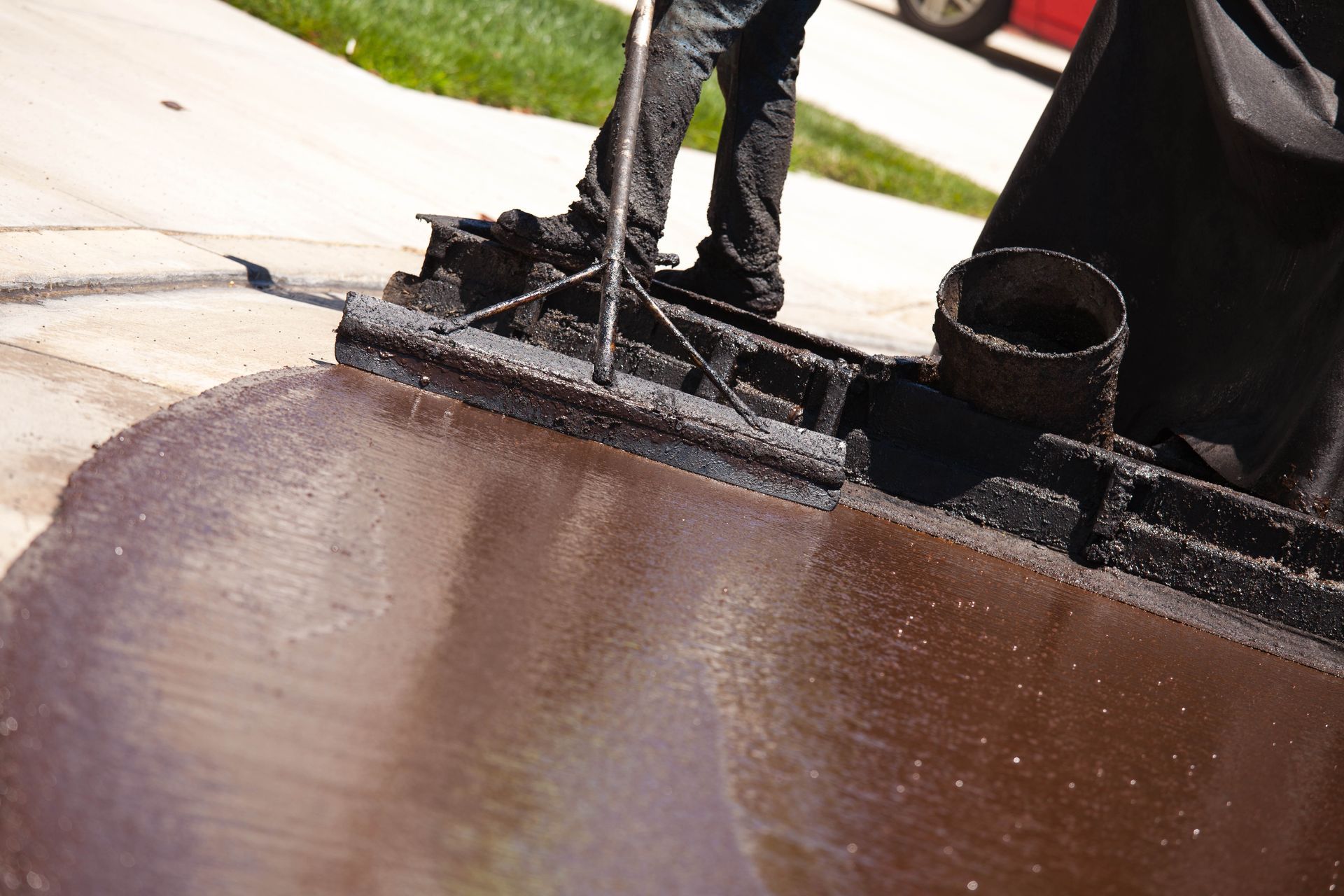
The actual deployment of the defensive mixture demands specialized application techniques and calibrated equipment to achieve an optimal, uniform thickness across the entire paved area. Depending on the size, layout, and traffic constraints of the property, professional operators will choose between manual squeegee applications or mechanical spray systems. Manual application allows for exceptional precision along curbs, walkways, and complex transitions, ensuring that the sealant coats every microscopic crevice without overspraying onto adjacent structures. Mechanical spray rigs, conversely, are ideal for wide, open expanses, distributing a consistent, continuous layer at a rapid pace to minimize disruptions to daily business operations.
Achieving the correct film thickness is a delicate balancing act, as a layer that is too thin will wear away rapidly, while an excessively thick application will crack and peel under vehicular stress. Best practices dictate the application of two distinct, thin coats rather than a single heavy layer, allowing each application to cure properly and form a resilient matrix. Environmental factors such as ambient temperature, humidity levels, and direct sunlight must be carefully monitored, as the mixture requires specific conditions to dry and cure into a durable shield. Engaging experienced crews who specialize in high-quality sealcoating services guarantees that these technical parameters are met.
4. Executing Long-Term Maintenance Plans
Pavement preservation does not conclude once the fresh application has dried; rather, it requires a continuous commitment to routine inspections and targeted touch-ups. Property managers must establish a systematic evaluation schedule to monitor the condition of the pavement throughout the changing seasons, looking for early signs of surface wear or localized damage. Rapidly addressing minor scrapes, fuel spills, or new stress cracks prevents these isolated issues from expanding into costly structural failures that threaten the entire installation.
Understanding the optimal intervals for reapplication is key to balancing operational budgets with the physical needs of the pavement infrastructure. Most commercial properties require a fresh application every two to three years, depending entirely on daily traffic volumes, heavy truck loads, and localized weather severity. Waiting too long allows the pavement to fade to a brittle gray color, signaling that the binder has oxidized and the aggregate is becoming vulnerable to loosening. By integrating professional sealcoating services into a recurring capital improvement plan, owners can successfully predict maintenance expenses and avoid the massive disruptions associated with full pavement reconstruction.
5. Analyzing Financial Benefits and Property Value
The financial implications of implementing a rigorous pavement preservation program extend far beyond the immediate aesthetics, directly influencing the overall market valuation of a commercial asset. First impressions are incredibly powerful in real estate, and a pristine, well-marked parking area immediately elevates the perceived value and professionalism of any business location. Appraisers and potential investors look favorably upon properties that demonstrate consistent, documented upkeep, as it indicates a lower probability of deferred maintenance liabilities. Consequently, dedicating resources to regular pavement care represents a strategic investment that protects equity and enhances the overall curb appeal of the facility.
By addressing minor issues early and maintaining a continuous protective barrier, asphalt surfaces require less invasive interventions. According to Prairie, commercial pavement maintenance revenue grew more than 20% year-over-year, highlighting increasing demand for ongoing asphalt services like repair and sealcoating. These proactive approaches ensure longevity and sustainability, reducing long-term financial burdens for property owners. Utilizing professional sealcoating services as part of this ongoing strategy allows companies to allocate their capital more efficiently, avoiding sudden capital outlays for catastrophic pavement failures.
The regular preservation of asphalt infrastructure is an indispensable component of successful property management that delivers documented financial and operational rewards. Through meticulous surface preparation, informed material selection, and precise application techniques, property owners can effectively double the lifespan of their paved surfaces. The defensive shield created by these procedures keeps damaging moisture, harmful automotive chemicals, and intense ultraviolet rays from compromising the flexible core of the pavement.
For property owners seeking to maximize the performance of their pavements while minimizing lifecycle expenditures, partner with a dedicated professional provider to secure long-term success. The team at PAR Asphalt Maintenance and Marking stands ready to deliver industry-leading expertise, specialized equipment, and premium materials tailored to your specific infrastructure requirements. Do not wait for small surface fissures to transform into costly, disruptive potholes that threaten your property valuation and visitor safety. Reach out today to schedule a comprehensive site evaluation and discover how our specialized
sealcoating services can preserve your asphalt investment for decades to come.